7 Reasons Osu Kannon Temple Deserves a Full Day Visit
 gotowp
You've blocked out a full day for Osu Kannon — but somewhere between researching temple visit timings and trying to work out which street leads where, a nagging question surfaces: If I spend the morning exploring, will the dish I traveled here specifically to eat already be gone by the time I sit down for lunch?
That exact worry comes up more than you might expect. Visitors who've done their homework on Osu often arrive knowing two things: the neighborhood rewards slow exploration, and the most sought-after lunch in the area — Itadaki's Horai Wagyu Rare Gyudon — is strictly limited to 10 bowls per day. Trying to pace a full-day sightseeing itinerary around a single disappearing dish is a genuinely stressful puzzle.
This article is built around what guests who've solved that puzzle told us — and what they wished they'd known before arriving.
Who This Is For
- ✅ Visitors planning a full day in the Osu Kannon area who want to make the most of every hour
- ✅ Wagyu enthusiasts who've already tried Kobe and Matsusaka beef and are hunting for something genuinely new
- ✅ Travelers on short Nagoya stays (one or two days) who can't afford a misstep on lunch plans
- ✅ Anyone unfamiliar with Japanese reservation platforms who wants a clear, step-by-step guide to securing Horai Wagyu
- ✅ First-time Osu visitors wondering how to structure the neighborhood's temples, shopping streets, and food into a single coherent day
1. Osu Kannon Temple Sets the Right Tone for the Whole Day
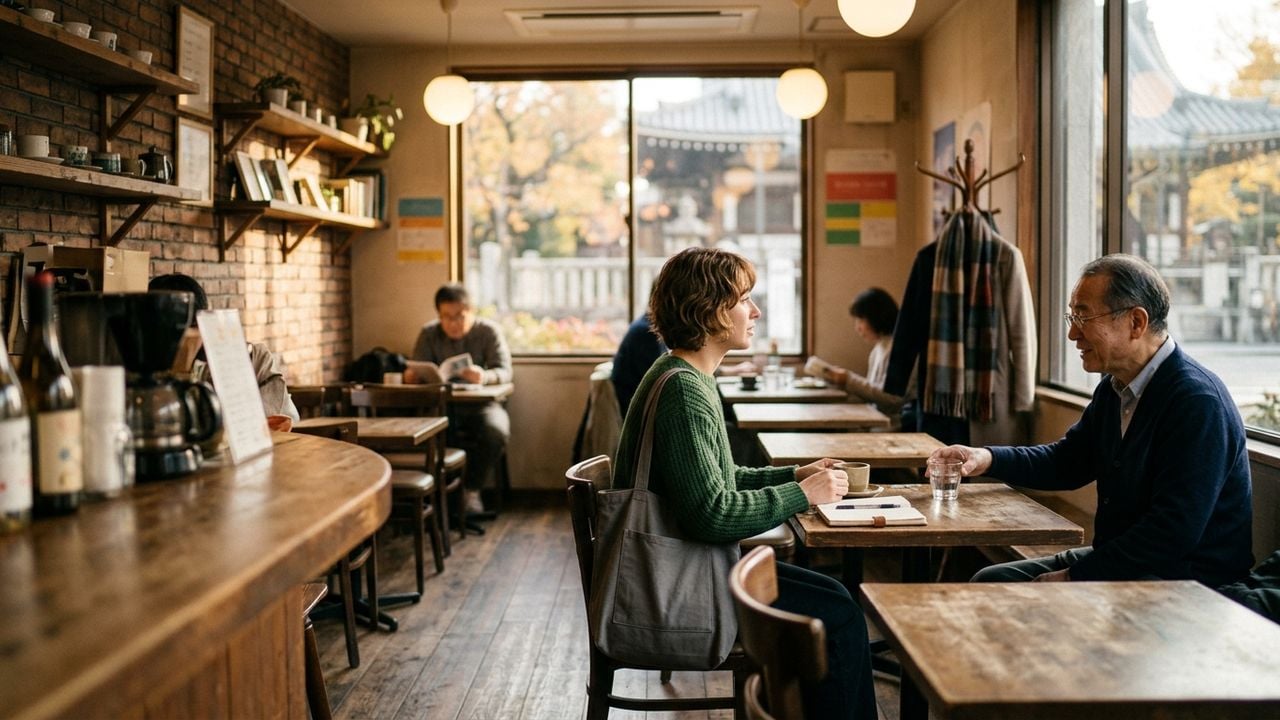
Most guests who spend a full day in Osu tell us the same thing: starting at Osu Kannon Temple before the shopping crowds arrive completely changes how the rest of the day feels. The temple grounds are quieter in the early morning, and the atmosphere — incense, pigeons, the low hum of a city waking up around a 400-year-old structure — is something that rushed visitors simply miss.
One guest put it plainly: arriving at 9:00 a.m. felt like having the whole neighborhood to herself. By 11:00, the shopping street was alive, but she'd already had her quiet moment with the temple, and the transition felt natural rather than jarring.
Starting here also means you're perfectly positioned for the rest of the day. Everything in Osu radiates outward from this point.
You're building a full-day Osu itinerary and trying to figure out when to slot lunch so the Horai Wagyu doesn't run out before you arrive. Itadaki's Instagram publishes the monthly business calendar, so you can confirm the exact dates we're open before committing your plans. Takes less than a minute to check.
2. The Shopping Street Hides More Than Shops
Osu Shopping Street is often described as 1,200 shops stretching through a covered arcade — which is accurate but slightly misleading. What guests consistently report finding that surprised them: tiny Buddhist altars tucked between storefronts, century-old rice cracker shops sitting next to anime merchandise vendors, and the sudden appearance of Banshoji Temple in the middle of what looks like a commercial block.
Guests who came specifically for subculture (cosplay supplies, retro electronics, vintage fashion) tend to lose track of time here in the best possible way. If you're planning to cosplay in Osu, the street also happens to place you five minutes from Itadaki — which matters more than it sounds when you're factoring in the lunch window.
The key insight from repeat visitors: don't try to cover the entire arcade systematically. Pick a direction, follow what interests you, and let the street reveal itself. You'll cover more ground — and remember more of it — than if you treat it like a checklist.
3. Hisaya-odori Garden Flarie Is Three Minutes Away and Free
A detail that surprises many visitors: Hisaya-odori Garden Flarie, a free-admission urban garden with six themed areas including a European-style Harmony Garden and a Crystal Garden greenhouse, is a three-minute walk from Yabacho Station — the same station as Itadaki. Guests who timed a mid-morning visit here before lunch described it as an unexpectedly calming interlude between the energy of the shopping street and sitting down to eat.
It's particularly beautiful in October, when the garden transitions into its autumn display. It's also one of those spots that photographs well without effort — a recurring theme in guest feedback from this neighborhood.
✓ Key Takeaways
- Arriving at Osu Kannon Temple early (before 10:00 a.m.) gives you the quiet, unhurried version of the experience that most visitors miss
- The shopping street rewards wandering over systematic coverage — build in more time than you think you'll need
- Hisaya-odori Garden Flarie (free entry, 3 minutes from Yabacho Station) is an easy and rewarding addition to the morning before lunch
You now know the 10-bowl daily limit is real — and that copying 鳳来牛希望 into the Tabelog notes field is what separates a guaranteed Horai Wagyu bowl from a hopeful walk-in. The reservation form is in English and takes about two minutes to complete.
4. The Lunch Question — And Why the Timing Actually Matters
Here's where the "full day visit" framing becomes genuinely practical, because the timing of your lunch determines whether you get to experience Itadaki's Horai Wagyu or not.
Horai Wagyu is produced by only 3 farms in Japan, with just 300 heads raised annually. To put that in context: there are roughly 500,000 wagyu cattle in Japan. The Horai Wagyu Rare Gyudon is prepared fresh each service and limited to 10 bowls per day — not as a marketing device, but because that's genuinely all the beef available at that level of quality and care.
Guests who arrived at peak lunch hours on a walk-in basis and missed it described real disappointment — not because the Mikawa Beef Rare Gyudon (always available, prepared with the same proprietary two-stage cooking technique) wasn't exceptional, but because they'd specifically traveled to Nagoya for the Horai Wagyu. That's a gap between expectation and experience that's entirely preventable.
"I've had Kobe beef and Matsusaka beef, but Horai Wagyu at Itadaki was on another level."
Guest review
That's not a comparison we make ourselves — it comes from guests who arrived having already eaten at some of Japan's most celebrated wagyu restaurants. The Horai Wagyu's distinctive character comes partly from its feeding method: the cattle are raised on sake lees from Horaisen Sora, a renowned local premium sake from Okumikawa, Aichi. The result is a beef with both marbling and lean flavor in a combination that's genuinely unusual in wagyu.
5. How to Secure Your Horai Wagyu Before You Arrive
The solution is straightforward once you know it, but it's not obvious to visitors unfamiliar with Japanese reservation platforms.
Advance reservation via Tabelog Online is the most reliable way to guarantee your Horai Wagyu bowl. The Tabelog website accepts reservations in English, so language is not a barrier. When filling in the notes field during the reservation process, copy and paste the following Japanese phrase to request Horai Wagyu specifically:
鳳来牛希望
That phrase tells us you'd like the Horai Wagyu bowl reserved for you. Without it in the notes, we can't guarantee which bowl you'll receive, as both the Horai Wagyu and Mikawa Beef options are available for reservation.
For guests who prefer to walk in: arriving right at 11:00 opening maximizes your chance of Horai Wagyu availability without a reservation. If you arrive later in the lunch window and the Horai Wagyu has sold out, the Mikawa Beef Rare Gyudon — equally crafted, always available — is prepared using the same two-stage cooking technique that makes Itadaki's preparation both safe and distinctive. It's not a consolation; it's a different expression of the same philosophy.
One practical note for October visitors: Itadaki is open Tuesday, and October 6th falls on a Tuesday — so the regular 11:00–15:00 lunch service applies (last order at 14:30). As always, please check Itadaki's official Instagram for the monthly business calendar before your visit, as irregular closures can occur.
6. What Guests Say About the Five-Step Experience
Several guests mentioned that what made the meal memorable wasn't just the beef itself — it was the deliberate structure of how the dish is meant to be eaten. The five-step guide (separate the Nagoya Cochin egg, taste the wagyu first in its purest form, mix in the yolk, layer in the condiments, finish with wasabi) transformed what could have been a single impression into a sequence of distinct flavors across the same bowl.
"The five-step eating guide made the dish even more enjoyable and memorable," one guest noted. Another described it as the kind of meal where you find yourself slowing down instinctively — which, after a full morning of walking through a neighborhood that rewards exactly that pace, feels like the right way to finish.
The printed English menu and photographic guide also drew consistent praise from international guests who appreciated being able to fully understand what they were eating without needing to ask questions at every step.
7. The Afternoon After Lunch
Guests who structured their day around an 11:00 lunch at Itadaki found they had a full afternoon still available for Osu's less obvious corners — the underground shopping street, the smaller temples between the main arcade lanes, the vintage stores that take time to browse properly. October in Nagoya sits in a comfortable window between summer heat and winter cold, which makes extended afternoon walking genuinely pleasant.
For visitors whose Osu day is part of a broader Nagoya itinerary — perhaps arriving from or heading toward Shirakawa-go or Takayama the following day — the neighborhood's position on the Meijo Line makes it an easy end point before returning to your hotel or Nagoya Station. Access details from Yabacho and Kamimaezu Stations are covered in this practical guide for navigating the area.
Making the Day Count
A full day in Osu Kannon works best when the morning and the meal reinforce each other rather than compete. The temple, the arcade, the garden, the lunch — each one lands differently when you're not rushing between them.
The one thing guests consistently wish they'd handled earlier: the Horai Wagyu reservation. If that bowl is part of your Nagoya plan, take the two minutes now to make the reservation via Tabelog before you finalize your itinerary. Paste 鳳来牛希望 in the notes field, and that particular uncertainty disappears entirely.
For our complete menu, access details, and store information, visit our official page at https://itadaki8.com/english/
You've planned the temple, the shopping street, the garden — the one piece still open is whether your Horai Wagyu bowl will be there when you sit down. Reserving now via Tabelog (with 鳳来牛希望 in the notes) closes that gap before your Nagoya day begins.