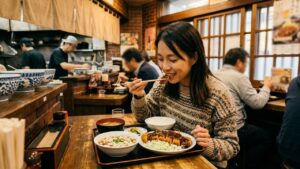
10 Facts About Osu District That Even Locals Sometimes Miss
 gotowp
You've done Kyoto. You've done Tokyo. You've done Osaka — twice. And now you're standing in Nagoya with a full day ahead, a well-worn Japan travel journal in hand, and a nagging feeling that the guidebook in your pocket is going to send you somewhere a thousand other tourists visited yesterday.
Sound familiar?
Repeat visitors to Japan know this feeling well. The Golden Route is beautiful, but after the second or third trip, what you really want is the story only you can tell. The restaurant your friends haven't heard of. The alley that didn't show up on any best-of list. The dish that makes you sit back and think: How did I not know this existed?
Osu district — just a few subway stops from Nagoya's city center — is exactly where those stories live. And most of them are still unwritten by the international travel crowd. Here are 10 facts about Osu that even repeat visitors to Japan rarely encounter in any guidebook.
Who This Is For
- ✅ Repeat visitors to Japan who want discoveries beyond Tokyo, Kyoto, and Osaka
- ✅ Travelers staying in Nagoya as part of a Shirakawa-go or Takayama itinerary
- ✅ Foodies actively seeking specialty restaurants where locals actually eat
- ✅ Anyone tired of following the same guidebook trail as everyone else
- ✅ Visitors to the 2026 Asian Games looking for Nagoya's most genuine neighborhood experiences
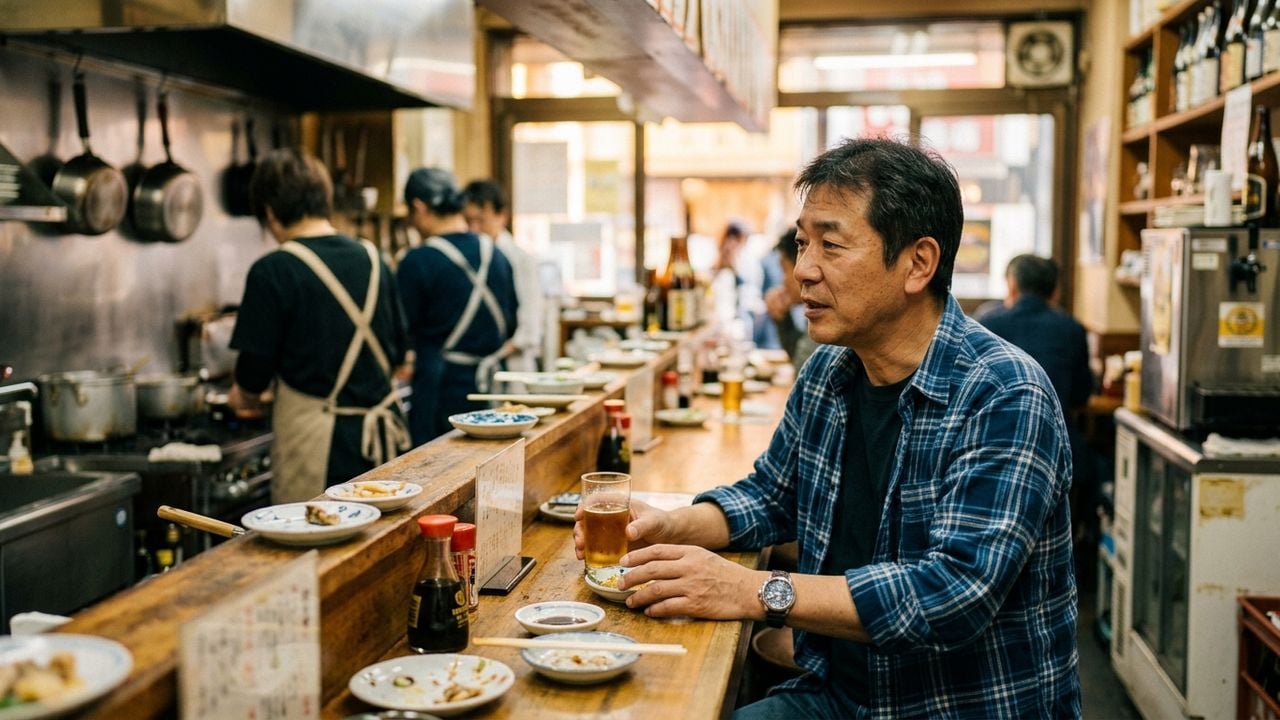
1. Osu Has Been a Gathering Place for Over 400 Years — And It Shows
Most visitors assume Osu is a modern shopping district that happened to grow up around a temple. In fact, it's the reverse. The Osu Kannon Temple was relocated here by Tokugawa Ieyasu himself in 1612, and the merchant district that grew around it has never really stopped evolving since. The 1,200-plus shops you see today are the latest chapter of a very long story.
You're reading about Osu's hidden side — but one thing guidebooks definitely won't tell you is when Itadaki is open on any given week. Our monthly business calendar is posted there, so you can confirm the exact days before you plan your visit. Takes thirty seconds to check.
2. The Rooftop Shrines of the Neighboring Shikemichi District Are Found Almost Nowhere Else in Japan
A short walk toward Nagoya Station takes you to Shikemichi (四間道) — a preserved Edo-period merchant street with 300-year-old storehouses and cobblestone lanes. What makes it genuinely rare are the yanegami-sama, small Shinto shrines placed directly on the rooftops of the old buildings. This practice is almost unique to this area of Nagoya, and the vast majority of international visitors walk straight past without ever knowing it exists.
3. Osu Is Nagoya's Largest — and Most Misunderstood — Subculture Hub
Many visitors hear "anime shops and maid cafés" and assume Osu is simply a regional version of Tokyo's Akihabara. That comparison is too simple. Osu's subculture scene grew organically alongside Buddhist temples, vintage clothing markets, and decades-old family-run specialty food shops. You can buy a handmade Buddhist rosary, try a cosplay outfit, and eat a bowl of wagyu prepared to restaurant-level precision — all within the same few blocks. That layering is what makes it feel like a neighborhood rather than a theme park.
4. The Banshoji Temple Sits Quietly in the Middle of One of Japan's Busiest Shopping Streets
Most people walk past Banshoji Temple without pausing. It's tucked inside the covered arcade of the Osu Shopping Street, flanked by discount electronics shops and clothing stores. But this samurai-era temple has stood here since the Edo period — a reminder that in Osu, centuries of history and daily commercial life have always coexisted without apology.
✓ Key Takeaways
- Osu's depth comes from 400+ years of layered history — Buddhist temples, Edo-era merchant culture, and modern subculture all sharing the same streets.
- The most interesting details in Osu (rooftop shrines, hidden temples, specialty food spots) are almost entirely absent from mainstream English guidebooks.
Horai Wagyu — the centerpiece of what makes Itadaki worth seeking out — is limited to 10 bowls a day, and October is autumn festival season in Osu, which means the neighborhood draws more visitors than usual. Reservations are handled through Tabelog, and securing your spot takes just a few minutes online.
5. Hisaya-odori Garden Flarie Is Three Minutes from Yabacho Station — and Most Tourists Have Never Heard of It
Free to enter and featuring six distinct themed gardens — including a European-style Harmony Garden, an Asian Garden inspired by Southeast Asian resort aesthetics, and a Crystal Garden greenhouse — Hisaya-odori Garden Flarie has been featured in major English travel guides including Visit Nagoya, Aichi Now, and Japan Travel by NAVITIME. It's a genuine green oasis in the middle of the city, and it's almost always uncrowded when compared with the famous parks of Kyoto or Tokyo. If you're getting off at Yabacho Station, it's worth building thirty minutes into your morning.
6. Osu Is Where Nagoya's Food Specialists Come to Do One Thing Perfectly
This is the fact that matters most to serious food travelers. Osu's dining scene doesn't chase trends. It rewards specialty. The restaurants here that have earned genuine local followings are almost universally focused: one dish, done with obsessive care, built around the best local ingredients the chef can source.
That philosophy is exactly what led Masayuki Goto to open Itadaki here in April 2022. Goto — who had spent 18 years in the Nagoya food and beverage industry before launching Itadaki — chose Osu deliberately. He wanted a neighborhood where a restaurant that does one thing exceptionally well would be recognized and respected. The concept he brought here: Rare Wagyu Gyudon, made entirely from Aichi Prefecture ingredients, served at lunch only, limited by design.
The dish that came out of that decision — the Rare Wagyu Gyudon — reimagines Japan's humble beef bowl using a proprietary two-stage cooking technique that delivers a rare-style texture while fully meeting Japan's Ministry of Health, Labour and Welfare food safety standards. Every element on the bowl, from the Aichi no Kaori rice to the Nagoya Cochin egg from Yamada Poultry Farm, comes from within Aichi Prefecture. If you want to understand just how rare Horai Wagyu really is, that story goes deep — only 300 heads raised annually across three farms in all of Japan.
"The lunch was the highlight of my Nagoya trip — I'm telling all my friends about it."
— A guest at Itadaki
That's the kind of story Osu produces when you step off the main tourist path.
7. The World Cosplay Summit Has Made Osu an International Event Destination
Every summer, Osu becomes the unlikely center of one of the world's largest cosplay gatherings. Participants from dozens of countries fill the shopping arcades, and the neighborhood's long-standing tolerance for self-expression means the event feels entirely natural here. If you're visiting Nagoya for the 2026 Asian Games in September or October, the Osu district will already be well-practiced at welcoming international visitors in every kind of outfit — including yours. Nagoya's food scene during Asian Games season has its own rhythm worth planning around.
8. Osu's Underground Shopping Street Runs Beneath the Surface in More Ways Than One
The underground arcade connecting parts of Osu is home to a concentration of vintage electronics dealers, retro game shops, and repair specialists that have largely disappeared from Tokyo and Osaka. For collectors and enthusiasts, it functions as a genuine time capsule — the kind of place that justifies traveling to a city specifically for a shopping afternoon.
9. The Osu Grand Festival Transforms the Entire District Twice a Year
In spring and autumn, the Osu Grand Festival fills the shopping streets with traditional lion dances, live performances, and community processions that draw local Nagoya families rather than tourist crowds. October — which is when you're reading this — places you right at the edge of the autumn festival season, when the district's traditional character comes to the surface in a way that isn't staged for visitors.
10. Getting Here Is Easier Than Most Visitors Assume
From Nagoya Station, Yabacho Station (the stop closest to Itadaki and the heart of Osu) takes roughly ten minutes total: Higashiyama Line to Sakae, then transfer to the Meijo Line. Exit 4 puts you on the street in front of the neighborhood. Sakae Station, Kamimaezu Station, and Osu Kannon Station are all within walking distance as well.
For a neighborhood this rich in layered history, subculture, and specialty food, the access is genuinely straightforward — which is part of why it surprises so many repeat visitors that Osu doesn't appear more prominently in the standard international travel conversation about Japan.
If you're curious about what a full afternoon in Osu looks like from a dining perspective, this guide to Osu lunch spots worth knowing covers the neighborhood's food landscape in more depth.
Making the Most of Your Time in Osu
The visitors who leave Osu with the strongest impressions tend to follow a similar pattern: they arrive without a rigid checklist, they give themselves permission to walk slowly, and they eat at places that are doing one specific thing with genuine seriousness rather than restaurants optimized for tourist throughput.
Start at Hisaya-odori Garden Flarie for a quiet morning. Walk toward Osu Kannon Temple. Wander the covered shopping arcades. Make a lunch reservation somewhere that has earned its reputation through craft rather than visibility.
The story you'll bring home from Osu is almost never the one you planned to find. That's the point.
For our complete menu, access details, and store information, visit our official page at https://itadaki8.com/english/
You now know what most tourists visiting Osu never discover. The next step is actually sitting down to the bowl that one guest called the highlight of their entire Nagoya trip — and telling that story yourself. Horai Wagyu is 300 heads a year across three farms; the 10-bowl daily limit is real, not a marketing line.