When You're at WCS, Fuel Up With Itadaki's Rare Wagyu Bowl
 gotowp
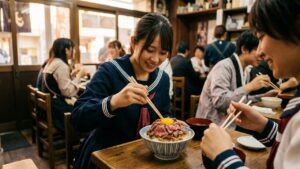
September in Nagoya means one thing for cosplayers and subculture enthusiasts from around the world: the World Cosplay Summit has arrived. The streets around Osu fill with extraordinary costumes, the energy is electric, and after hours of walking, performing, and taking photos, you need a lunch that actually matches the occasion. Not a quick convenience store stop. Something that becomes its own story to tell.
That's where Itadaki comes in — and specifically, where a question almost always comes up first: Is rare wagyu safe to eat?
It's a fair question. If you grew up in the US, UK, Australia, or most of Western Europe, you've been told your whole life to cook beef all the way through. The idea of beef served with a tender, nearly-raw center sounds like a food safety risk. We hear this concern from our guests regularly, and we want to answer it honestly and completely — because the answer changes everything.
Who This Is For
- ✅ WCS participants and visitors exploring Osu during the World Cosplay Summit in Nagoya
- ✅ Anyone who wants to try rare wagyu but has concerns about food safety or raw beef
- ✅ Travelers who've never encountered "rare-style" Japanese beef preparation and want a clear explanation before deciding
- ✅ Foodies seeking an unforgettable Nagoya lunch experience that goes beyond sightseeing
- ✅ Anyone staying near Osu or Sakae looking for the most distinctive meal of their Japan trip
Why Rare Wagyu Sounds Alarming — And Why It Isn't
In Western food culture, the guidance around undercooked beef is rooted in genuine concern. E. coli, salmonella, and other bacterial risks are real, and public health agencies in North America and Europe have long recommended cooking beef to a safe internal temperature — typically 71°C (160°F) or above.
So when you hear "rare wagyu gyudon" and picture something that looks pink and tender, your instinct says: wait a moment.
Here's the key distinction. At Itadaki, "rare" describes the texture and mouthfeel of the wagyu — not its internal temperature. The two are not the same thing, and that difference is the entire foundation of what we do.
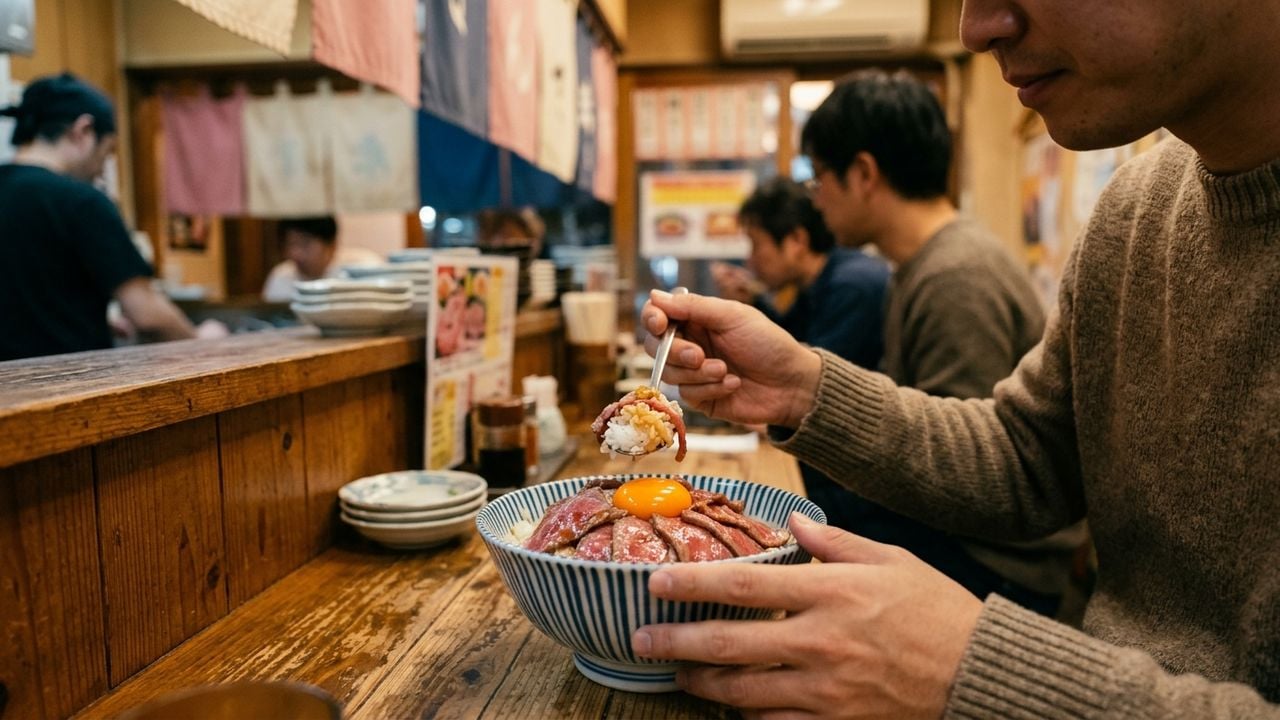
Our founder Masayuki Goto developed a proprietary two-stage cooking technique specifically to solve this challenge. The beef is heated to over 70°C at the core — fully meeting Japan's Ministry of Health, Labour and Welfare food safety standards — while the unique properties of high-quality wagyu fat allow the meat to retain a silky, tender texture that feels remarkably different from fully cooked beef. It's not raw. It is, however, an eating experience unlike anything most Western visitors have encountered.
This wasn't a shortcut. It took real culinary development, and it's one of the reasons Goto holds a Certified Food Sanitation Supervisor credential from Japan's Ministry of Health, Labour and Welfare. Every bowl served at Itadaki follows the same precise standards — not as marketing language, but as operational practice.
The food safety question is answered in this article, but one thing can't be explained here: whether Horai Wagyu will still be available on the day you plan to visit. Our monthly business calendar on Instagram shows scheduled business days and any irregular closures — exactly the kind of detail worth checking before you make plans around WCS weekend. It takes less than a minute to look up.
The Beef Itself: Why the Source Matters for Safety
Food safety isn't just about cooking temperature. It starts long before the beef reaches the kitchen.
Itadaki sources exclusively from Aichi Prefecture farms — both Horai Wagyu from the Okumikawa region and Mikawa Beef from the Mikawa area. These aren't commodity suppliers. They're small, trusted producers operating under rigorous quality control standards, and Goto has built direct-supply partnerships with these farms over years.
Horai Wagyu, the rarest option on our menu, is produced by only 3 farms across Japan, with just 300 heads raised annually. These cattle are fed on the lees of Horaisen Sora — a well-regarded local premium sake — which contributes both to the beef's distinctive flavor and to the careful, attentive farming conditions under which these animals are raised. When you're working with ingredients this rare and this traceable, the supply chain is short, transparent, and accountable in a way that large-scale operations simply cannot match.
Mikawa Beef, always available and equally carefully sourced, is raised on okara feed with lactic acid bacteria gut management — another layer of considered production practice that reflects the farming philosophy Goto has built his sourcing around.
The result is beef that arrives at Itadaki's kitchen with full provenance, treated with the technique it deserves.
✓ Key Takeaways
- Itadaki's rare-style preparation heats the beef to over 70°C at the core — meeting Japan's official food safety standards, not bypassing them.
- The "rare" sensation comes from wagyu's unique fat structure and a proprietary two-stage technique, not from undercooked meat.
- All beef is sourced directly from small, carefully managed farms in Aichi Prefecture — full traceability from farm to bowl.
You now know the two-stage cooking technique meets Japan's food safety standards — but knowing that and actually securing a bowl of Horai Wagyu during WCS weekend are two different things. With only 10 bowls available each day, the gap between deciding and reserving matters more than it might seem on a busy WCS Sunday. Reserving via Tabelog takes just a few minutes online.
Ranking the 5 Reasons WCS Visitors Choose Itadaki
You've spent the morning in costume or cheering on the competitors around Osu. Here's why Itadaki keeps appearing on WCS visitors' itineraries — in order of what matters most to first-timers.
1. The food safety question gets answered before you even sit down.
Our printed English menu includes a clear explanation of the two-stage cooking technique and what "rare-style" means. No guessing, no uncertainty. Guests from the UK, US, and Australia who've never encountered this style of beef preparation consistently say the explanation made them feel completely at ease. For international visitors who've done research and still have questions, our staff are ready to walk through it in person.
2. It's genuinely rare — in both senses of the word.
Out of approximately 500,000 wagyu raised in Japan each year, only 300 are Horai Wagyu. That's not a marketing line. It's the arithmetic of three small farms in Okumikawa. Itadaki limits Horai Wagyu to 10 bowls per day, and during WCS weekend, those bowls go fast. If you want to try it, a reservation via Tabelog is genuinely worth making in advance.
3. The five-step eating guide turns lunch into an experience.
Itadaki provides a photographic guide that walks you through exactly how to enjoy the dish — separating the Nagoya Cochin egg, appreciating the wagyu on its own first, then layering in pickled ginger, dried nori from Mikawa Bay, chirimen jako, and Itadaki's original 8-spice blend, finishing with wasabi. WCS guests have told us they appreciated having a structured way to explore the flavors, especially when visiting Japan for the first time.
4. You're already in Osu — the geography works perfectly.
Itadaki is a 5-minute walk from Osu Kannon Temple and sits in the heart of the Osu district where so much of WCS activity is concentrated. Whether you're breaking between events, finishing a morning of sightseeing, or heading to Osu Shopping Street after lunch, the location means zero detour. Kimono rental guests exploring Osu have made Itadaki a regular stop on their route, and WCS participants tend to follow a similar loop through the neighborhood.
5. The sofa seating is genuinely comfortable after a long morning.
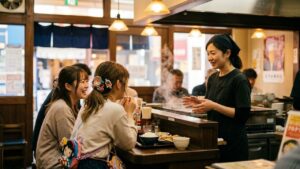
This might sound minor, but it isn't. Itadaki has 18 seats, all with sofa-style table seating. After hours in elaborate costumes or carrying gear through the Osu crowd, sitting in a comfortable chair with a bowl of something extraordinary in front of you is exactly what the afternoon calls for.
"The rare wagyu was unlike anything I've ever tasted — a life-changing culinary experience."
— Guest review
A Practical Note Before You Go
Itadaki is open Monday, Tuesday, Saturday, and Sunday from 11:00 to 15:00 (last order 30 minutes before closing). On public holidays, hours open at 9:00. The restaurant operates lunch service only — there is no dinner.
During WCS weekend, the Osu area sees significant visitor numbers, and Horai Wagyu (10 bowls daily) can sell out before midday. If the Horai Wagyu experience is what you're coming for, reserving via Tabelog in advance is the most reliable option. Mikawa Beef Rare Gyudon is always available and equally worth your time — it starts from ¥1,800 for the Fumoto size (100g beef, 200g rice).
If you're unsure whether Horai Wagyu will still be available on the day, our monthly business calendar is posted on Instagram — a useful reference for planning around any irregular closures as well.
The restaurant is located on the 2nd floor at 4-1-20 Osu, Naka-ku, Nagoya — a 4-minute walk from Yabacho Station Exit 4 on the Meijo Subway Line. If you're coming from elsewhere in the city, from Nagoya Station it takes around 10 minutes total via subway.
One more thing worth noting for travelers who are also planning the days around WCS: Itadaki fits naturally into broader Nagoya itineraries, whether you're combining it with Osu sightseeing, a visit to Hisaya-odori Garden Flarie three minutes from Yabacho Station, or planning onward travel toward Shirakawa-go or Takayama.
The Bowl Behind the Concern
The food safety question is real, and it deserves a real answer — not reassurance, but explanation. Itadaki's approach to rare wagyu was built from the ground up with Japanese food safety law as the non-negotiable baseline. The proprietary two-stage cooking technique, the direct-farm sourcing, the founder's food sanitation credentials, the 18 years of industry experience behind every bowl: these aren't decorative details. They're the reason this dish is possible at all.
If you're in Nagoya for WCS and you've been curious but hesitant about rare wagyu, we'd rather give you the full picture than let that hesitation be the reason you missed it.
For our complete menu, access details, and store information, visit our official page at https://itadaki8.com/english/
You've read how Itadaki's rare-style preparation is safe, where the beef comes from, and why WCS visitors keep choosing this bowl as their Nagoya lunch. The one remaining step is making sure a bowl is waiting for you when you arrive — because 10 Horai Wagyu bowls a day don't last long on a WCS weekend. Secure your seat now via Tabelog.