The Ultimate Guide to Nagoya Station Area Lunch for Hida Travelers
 gotowp
Every autumn, the moment the foliage reports start appearing online, a familiar travel pattern emerges across Japan. Travelers — many of them visiting for the second or third time — begin planning the route that connects Nagoya to the Hida region: Shirakawa-go's thatched-roof farmhouses, Takayama's preserved merchant streets, the mountain air of Gifu Prefecture. It's one of Central Japan's most rewarding journeys. And almost universally, it begins with a morning or early-afternoon departure from Nagoya.
Which raises a question that more visitors should be asking before they board that bus or train: What are you eating for lunch?
Nagoya Station is large, busy, and full of options — but "large and full of options" doesn't always mean you'll find something worth remembering. The travelers who plan their Nagoya lunch with the same care they bring to the rest of their itinerary consistently report the same thing: the meal before the mountain journey became a highlight of the trip in its own right.
This guide is for those travelers.
こんな方におすすめ
- ✅ Travelers heading to Shirakawa-go, Takayama, or Gifu who want a memorable Nagoya lunch stop before departure
- ✅ Repeat Japan visitors looking for an authentic, discovery-worthy experience beyond the Golden Route
- ✅ Wagyu enthusiasts curious about Aichi Prefecture's rare and lesser-known beef beyond Kobe or Matsusaka
- ✅ Anyone wondering how to use a few lunch hours in Nagoya wisely before an afternoon bus or train connection
- ✅ Foodies who want the story behind their meal, not just a good photo
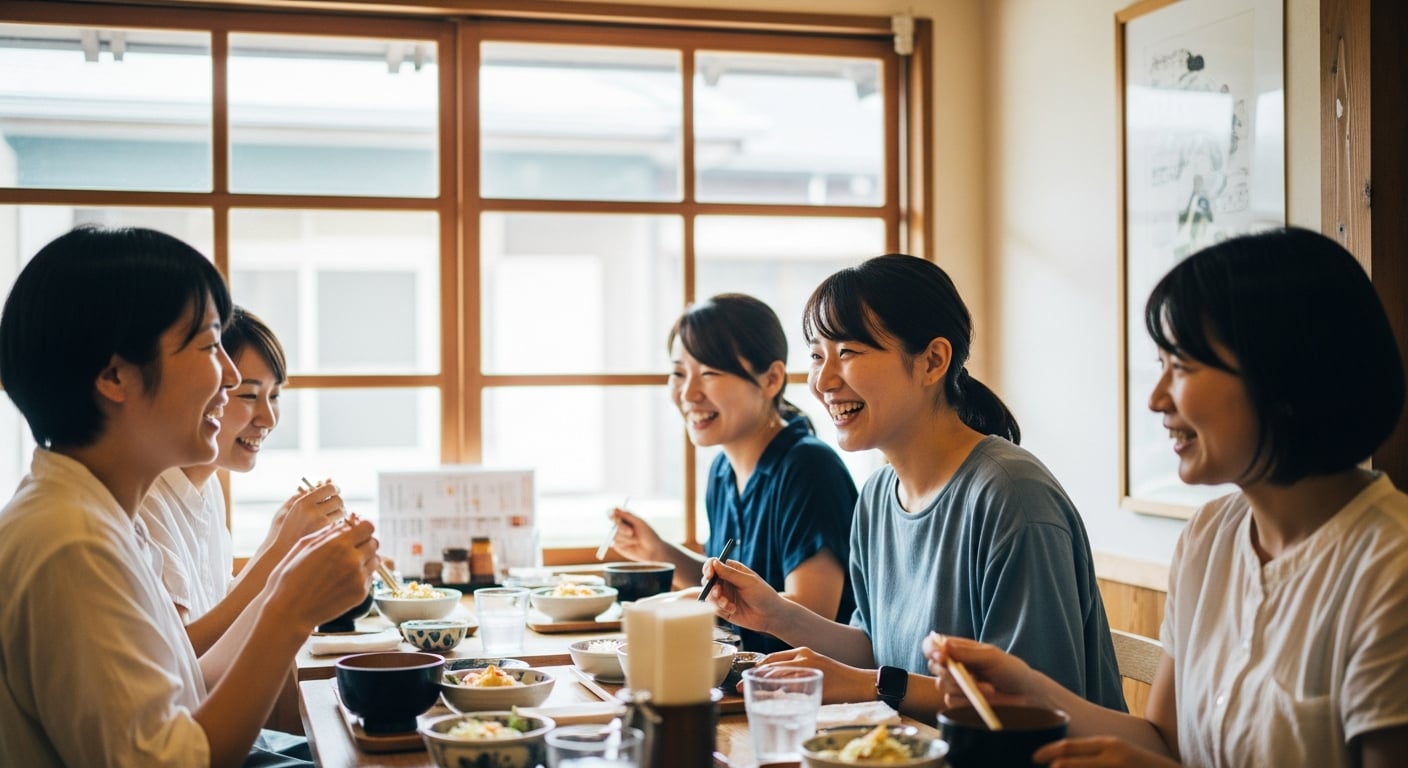
How Hida Travelers Typically Spend Their Nagoya Lunch Hours
Let's look at how this day usually unfolds. The Nohi Bus from Nagoya to Shirakawa-go departs from Meitetsu Bus Center, directly connected to Nagoya Station — with the most popular departures leaving in the late morning or early afternoon. Travelers taking the Hida limited express to Takayama often depart from Nagoya Station between 10:00 and 13:00.
That leaves a window. Not a long one, but enough for a meaningful meal.
A common scenario: a couple arrives at Nagoya Station by Shinkansen from Tokyo around 10:30. Their bus to Shirakawa-go departs at 13:00. Two and a half hours in Nagoya. The instinct is often to eat inside the station — convenient, but rarely memorable. The travelers who venture even slightly beyond the station perimeter almost always find something worth the extra ten minutes of walking.
One guest who visited Itadaki described it exactly this way: "We had a two-hour window before our bus to Shirakawa-go. We took the Meijo Line one stop from Sakae to Yabacho, had the most incredible lunch, and made it back to the bus center with time to spare."
That's the detail worth understanding: Itadaki — located in Osu, just a short subway ride from Nagoya Station — is genuinely accessible within a Hida traveler's pre-departure schedule. From Nagoya Station, it's approximately ten minutes by subway (Higashiyama Line to Sakae, transfer to Meijo Line, exit at Yabacho Station Exit 4). From there, a four-minute walk brings you to the restaurant on the 2nd floor of a building along Osu's lively streets.
What Makes This Particular Lunch Worth the Detour
Itadaki is the originator of Rare Wagyu Gyudon — a culinary concept that reimagines Japan's humble beef bowl using ultra-rare Aichi wagyu, a proprietary two-stage cooking technique, and every single ingredient sourced from Aichi Prefecture. It opened in Osu in April 2022, founded by Masayuki Goto, who spent years developing relationships with local Aichi farmers before building a restaurant concept around their ingredients.
The most sought-after dish is the Horai Wagyu Rare Gyudon. Horai Wagyu comes from Okumikawa — a region in northern Aichi, notably close to the Hida foothills — and is produced by just three farms with only 300 heads raised annually across all of Japan. The cattle are fed on sake lees from Horaisen Sora, a renowned local brewery, which creates a distinctive flavor profile: gentle marbling, clean finish, a depth that surprises even guests who consider themselves experienced wagyu diners.
"I've had Kobe beef and Matsusaka beef, but Horai Wagyu at Itadaki was on another level."
Guest testimonial
The preparation uses Goto's proprietary two-stage cooking technique, which brings the beef to over 70°C at the core — fully meeting Japan's Ministry of Health, Labour and Welfare food safety standards — while preserving the silky, tender texture associated with rare-style beef. It's a technical achievement that took time to develop and is difficult to replicate elsewhere.
Everything that accompanies the bowl follows the same principle of Aichi sourcing: "Aichi no Kaori" rice, a Nagoya Cochin egg from Yamada Poultry Farm, miso soup made with Hatcho miso from Okazaki, Atsumi Ichō-zuke pickles from the Atsumi Peninsula, and shiso leaves from Toyohashi. The condiment tray on the table — pickled ginger from Inazawa, dried seaweed from Mikawa Bay, chirimen jako from Minamichita — reads like a quiet geography lesson in Aichi food culture.
✓ ここまでのポイント
- Hida-bound travelers have a genuine lunch window in Nagoya — typically 1.5 to 2.5 hours — that's long enough to venture beyond the station and back.
- Itadaki in Osu is about 10 minutes by subway from Nagoya Station, making it accessible even with a tight schedule before a Shirakawa-go or Takayama departure.
- The restaurant specializes in Rare Wagyu Gyudon using Horai Wagyu — an ultra-rare Aichi beef with only 300 heads produced annually — prepared with a proprietary two-stage cooking technique that fully meets Japanese food safety standards.
A Practical Case: Planning Your Nagoya Lunch Around a Hida Departure
Here's how a well-planned Nagoya lunch stop for Hida travelers typically looks in practice.
Scenario A — Morning Shinkansen arrival, afternoon bus departure:
Arrive Nagoya Station at 10:30. Take the Higashiyama Line from Nagoya Station to Sakae (3 minutes), transfer to the Meijo Line, exit at Yabacho Station Exit 4 (2 minutes). Walk four minutes to Itadaki. Doors open at 11:00. Enjoy lunch. Return to Nagoya Station area by 12:30. Board your 13:00 Nohi Bus to Shirakawa-go with time to spare.
Scenario B — Already in central Nagoya, morning sightseeing:
Many Hida-bound travelers combine their Nagoya morning with a visit to Nagoya Castle or Atsuta Shrine before heading north. The Osu district is a natural connector — just one stop from Sakae, the heart of Nagoya's central district. A visit to Osu Kannon Temple, a stroll through the shopping street, lunch at Itadaki, then a quick subway back toward Nagoya Station for your afternoon connection. This flow works particularly well for guests who want to see more of Nagoya before leaving.
Scenario C — Returning from Hida, one last Nagoya meal:
Not all Hida travelers are heading north — some are returning. After two or three days in Shirakawa-go or Takayama, arriving back in Nagoya around midday, this becomes one final opportunity for a distinctive local meal before continuing to Tokyo or Osaka. Several guests have described exactly this itinerary: Itadaki as the farewell lunch for Central Japan.
One thing to note for all three scenarios: the Horai Wagyu is limited to 10 bowls per day. If your schedule allows, making a reservation in advance via Tabelog is the reliable path to securing your bowl. When booking, add "Horai Wagyu request" (鳳来牛希望) in the notes field — the Tabelog reservation system is available in English. If you're walking in on arrival, Mikawa Beef Rare Gyudon is always available and prepared with the same technique, offering a deeply satisfying experience in its own right.
"Perfect lunch during our Nagoya stay before our Shirakawa-go trip the following day."
Guest testimonial
Why This Meal Fits the Hida Travel Mindset
There's something quietly fitting about eating Horai Wagyu in Nagoya before heading into Hida. The cattle graze in Okumikawa — in the foothills that lead toward the mountains you're about to enter. The sake lees they're raised on come from a brewery that shares the same landscape. The meal, in a sense, is a geographic introduction to where you're going.
Goto's philosophy behind Itadaki — that food is a gift from farmers, land, and craft, deserving of respect at every step — maps naturally onto what draws people to Shirakawa-go and Takayama in the first place: a desire to be closer to the way things were made, grown, and preserved. The Hida region is famous precisely for that relationship between people and their landscape. Itadaki, in its own urban way, offers the same thing.
The restaurant has been featured on eight major Japanese TV programs, including NHK, and has been recognized as the originator of the Rare Wagyu Gyudon concept. None of that changes what it is at its core: a small, 18-seat lunch restaurant in Osu that opens four days a week, serves a limited number of bowls, and takes the sourcing of every single ingredient with genuine seriousness.
That's the kind of place that tends to end up as the highlight of a trip — not the most famous stop on the itinerary, but the one guests mention first when they're telling the story later.
Before You Go: Practical Details for Hida Travelers
- Location: 4-1-20 Osu 2F, Naka-ku, Nagoya (2nd floor — look for the 「元祖レア牛丼 頂」 sign at street level)
- Access: 4-minute walk from Yabacho Station Exit 4 (Meijo Line). Approximately 10 minutes from Nagoya Station by subway.
- Hours: Lunch only, 11:00–15:00 (last order 14:30). Open Saturday, Sunday, Monday, and Tuesday. Closed Wednesday, Thursday, and Friday. Check the monthly schedule on Instagram before visiting, as irregular closures may apply.
- Reservation: Strongly recommended for Horai Wagyu (limited to 10 bowls daily). Walk-ins welcome for Mikawa Beef Rare Gyudon.
- Menu language: English, Simplified Chinese, and Korean menus available, with a 5-step visual guide for enjoying the dish.
If your Nagoya schedule includes a journey to Shirakawa-go, Takayama, or anywhere in the Hida region, consider building your lunch into the plan rather than leaving it as an afterthought. The ten-minute subway ride from Nagoya Station to Yabacho is a small investment. What waits on the other end — a bowl of Rare Wagyu Gyudon made from ingredients that grew in the same landscape you're about to explore — has a way of making the whole journey feel more intentional.
For our complete menu, access details, and store information, visit our official page at https://itadaki8.com/english/
When you're ready to secure your bowl before your Hida departure, we'd love to see you at the table. Reserve Your Rare Wagyu Experience — and if you'd like to check our schedule for your travel dates first, Check Our Monthly Schedule on Instagram.