Samurai Food Nagoya vs Kyoto: An Authentic Traveler's Comparison
 gotowp
Here's a fact that might surprise you: according to tourism data, 29.7% of Hong Kong visitors to Japan have been here 10 or more times — and a growing number of them are skipping Kyoto on their latest trip. Not because Kyoto isn't beautiful. It absolutely is. But because they've already been. And this time, they're hungry for something that doesn't appear in any English guidebook.
That shift is quietly reshaping how discerning travelers think about Japanese food — particularly food rooted in samurai history and regional craft. Kyoto has long dominated the conversation. But Nagoya? Nagoya is where the story gets interesting.
Who This Is For
- ✅ Repeat visitors to Japan who have already explored Kyoto and are ready for a genuine discovery
- ✅ Travelers interested in samurai history, Sengoku-era culture, and how they shaped Japan's food traditions
- ✅ Foodies seeking a restaurant experience that other tourists genuinely don't know about
- ✅ Anyone planning a Nagoya itinerary and wondering whether the city's food scene can rival its more famous neighbors
- ✅ Visitors looking for stories — not just meals — to bring home from Japan
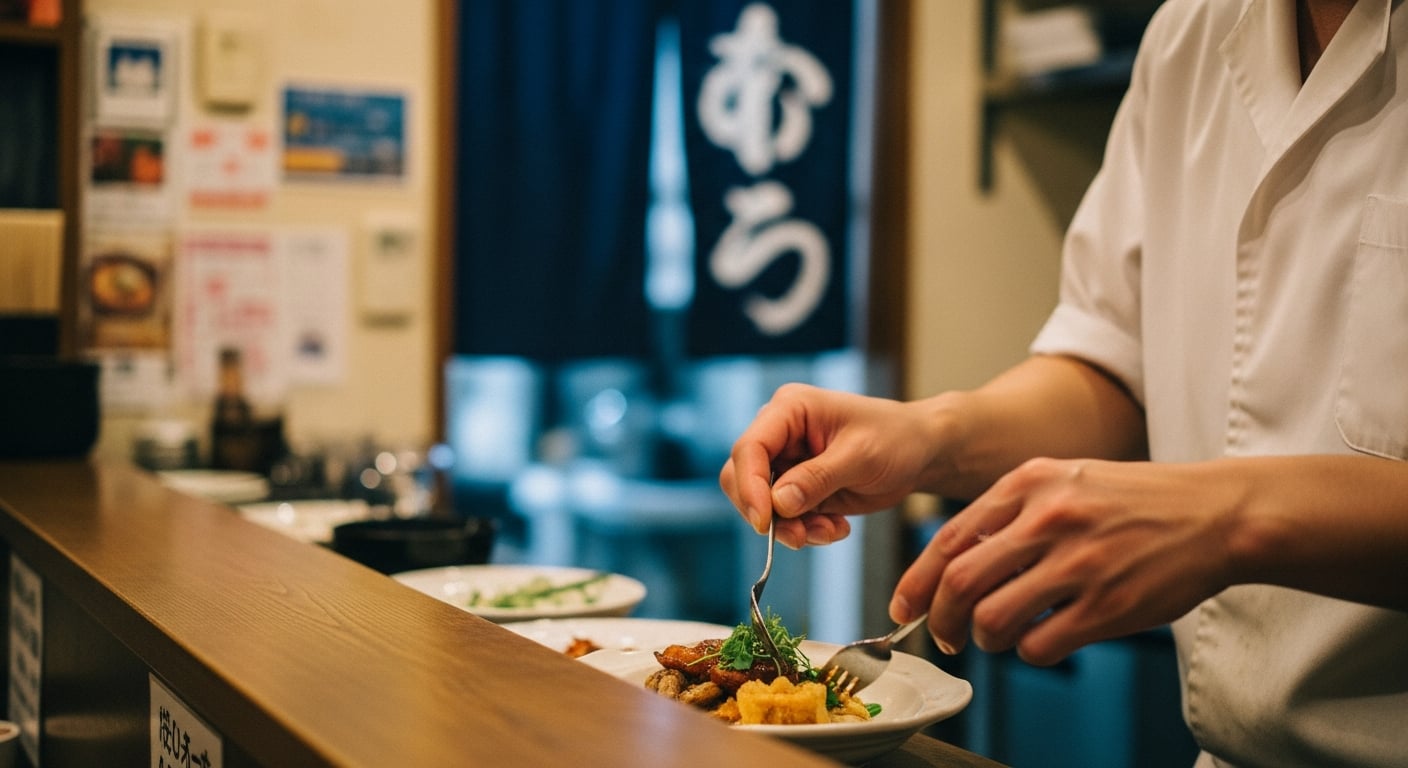
Two Cities, Two Samurai Legacies — and Very Different Food Cultures
Kyoto and Nagoya both carry deep samurai DNA, but they express it through food in strikingly different ways.
Kyoto's food culture grew from the Imperial Court — refined, restrained, deeply aesthetic. Kaiseki cuisine, the jewel of Kyoto dining, emerged partly from the tea ceremony traditions patronized by samurai aristocracy. It's a cuisine of subtlety: tiny portions, seasonal ingredients, visual precision. Kyoto made Japanese cooking a form of high art, and that reputation is fully deserved.
Nagoya's food story is rawer, more ambitious — and arguably more honest. This city is the birthplace of Japan's three great unifiers: Oda Nobunaga, Toyotomi Hideyoshi, and Tokugawa Ieyasu. These weren't courtly samurai. They were military strategists who needed food that was sustaining, deeply flavored, and built on the land they controlled. Nagoya's culinary identity reflects that — bold Hatcho miso, rich soybean-based broths, ingredients sourced directly from Aichi's coastlines, mountain farms, and river valleys.
Where Kyoto refined, Nagoya nourished. And while Kyoto's dishes have been photographed millions of times, Nagoya's food traditions remain largely undiscovered by international visitors — which is exactly what makes them worth seeking out.
The Hidden Gem Advantage: What Nagoya Offers That Kyoto Simply Can't
Let's be direct: if you've visited Kyoto twice and want the feeling of finding something that's yours — a restaurant that locals would point you to, not a guidebook — Nagoya is where that experience lives right now.
The Osu district, in particular, occupies a fascinating position in Nagoya's food landscape. With over 400 years of history and 1,200 shops threading through its covered shopping streets, Osu blends traditional Buddhist temple culture (Osu Kannon Temple sits at its heart) with a lively subculture scene that draws everything from anime enthusiasts to kimono-clad strollers. It's a neighborhood that feels genuinely lived-in — local in the truest sense of the word.
And within Osu, there are specialty restaurants that have committed to doing one single thing at the absolute highest level. Not tourist menus, not fusion compromises. Just one dish, perfected.
This is the Nagoya food philosophy that repeat visitors are now traveling specifically to experience.
✓ Key Takeaways
- Kyoto's food culture grew from Imperial Court refinement; Nagoya's grew from the practical ambitions of Japan's most powerful samurai warlords — producing bolder, ingredient-forward cuisine.
- The Osu district in Nagoya offers a genuine local dining discovery that rarely appears in English-language travel guides, making it ideal for repeat Japan visitors seeking authentic finds.
When Kyoto Is the Right Choice — and When Nagoya Wins
This comparison isn't about declaring a winner. Both cities reward the traveler who engages with them thoughtfully. But depending on what you're actually looking for, one will serve you far better.
Choose Kyoto if:
- You're visiting Japan for the first time and want the full visual introduction to traditional Japanese culture
- You're specifically interested in Zen Buddhist cuisine (shojin ryori), kaiseki, or tofu-based Kyoto specialties
- You prefer dining experiences that are widely documented, reviewed in English, and easy to research in advance
- The visual and ceremonial dimension of eating — the presentation ritual, the tea ceremony aesthetic — is your primary interest
Choose Nagoya if:
- You've already done Kyoto and want a discovery that feels genuinely yours
- You're drawn to bold, deeply regional flavors — Hatcho miso, fresh seafood from Mikawa Bay, mountain-raised wagyu fed on Aichi sake lees
- You want to visit a specialty restaurant where the chef has spent years perfecting a single concept, rather than a broad tourist menu
- You want a story to bring home — an ingredient, a technique, a meal that no one in your travel group has heard of
- Your Japan itinerary passes through Nagoya anyway (en route to Shirakawa-go, Takayama, or Gifu) — meaning this discovery costs you no detour at all
That last point matters more than most travelers realize. Nagoya sits directly on the Shinkansen line between Tokyo and Kyoto. Stopping for lunch here isn't a side trip — it's the smartest use of a natural transit pause.
Finding the Kind of Place Where Locals Really Eat
There's a specific feeling that experienced Japan travelers describe when they find what they're looking for. It's not about exclusivity or expense. It's about precision — a restaurant that has said no to everything except the one thing it does perfectly.
In Nagoya's Osu district, that kind of place exists for wagyu. Itadaki — a four-year-old specialty restaurant on the second floor of a quiet Osu building — invented an entirely new culinary concept: Rare Wagyu Gyudon, Japan's humble beef bowl reimagined as an exquisite rare-style experience using Aichi Prefecture's finest ingredients.
Every component on the bowl is sourced from Aichi: rice grown in Aichi fields, white soy sauce from Hekinan City, Hatcho miso from Okazaki, shiso leaves from Toyohashi, and pickled radish from the Atsumi Peninsula. The beef itself — Horai Wagyu, produced by only 3 farms in Japan with just 300 heads raised annually — is fed on sake lees from Horaisen Sora, one of Aichi's finest breweries. Out of approximately 500,000 wagyu raised in Japan each year, only 300 carry this name.
This isn't a concept built on marketing. It's built on a genuine partnership between a founder who spent 18 years in the food and beverage industry, a commitment to direct-supply relationships with Aichi farmers, and a proprietary two-stage cooking technique that delivers a rare-style texture while fully meeting Japan's Ministry of Health, Labour and Welfare food safety standards.
The result is the kind of restaurant that a Japanese food enthusiast would take you to without hesitation — and that a first-time visitor would walk right past without noticing.
"I traveled to Nagoya specifically to eat here — it was 100% worth it."
— Guest review
That kind of commitment — traveling to a city for a single lunch — is the clearest possible signal that something genuine is happening here. Not hype. Not trend. A culinary concept that exists nowhere else, built on ingredients that are almost impossible to source outside of Aichi.
Making the Most of Nagoya: A Practical Note for Travelers
If Nagoya is on your itinerary — whether as a transit stop, a base for Shirakawa-go day trips, or a destination in its own right — the Osu district is the natural starting point for food exploration.
Itadaki is a four-minute walk from Yabacho Station Exit 4 on the Meijo Subway Line, and easily reachable from Nagoya Station in about ten minutes via the Higashiyama Line to Sakae, then a transfer to the Meijo Line. The restaurant is open for lunch only — Tuesday, Saturday, Sunday, and Monday (11:00–15:00), with holiday hours starting at 9:00. Wednesday through Friday are closed.
Because Horai Wagyu is limited to just 10 bowls per day, advance reservation via Tabelog Online is strongly recommended for anyone with a specific interest in this ultra-rare beef. When making your reservation, paste the following into the notes field to confirm your request: 鳳来牛希望. Walk-in guests can also enjoy Mikawa Beef Rare Gyudon, Itadaki's second signature offering, which is always available and prepared with the same proprietary two-stage cooking technique.
The printed menu at Itadaki is available in English, Simplified Chinese, and Korean — including a five-step visual guide showing exactly how to enjoy the dish. No Japanese is required.
Kyoto will always be worth visiting. But the meal you'll talk about for years — the one your travel companions haven't tried, the one your followers will ask about — that meal is waiting in a second-floor restaurant in Osu, Nagoya.
For our complete menu, access details, and store information, visit our official page at https://itadaki8.com/english/
When you're ready to secure your bowl — especially if you have your eye on Horai Wagyu — we'd love to welcome you. Reserve Your Rare Wagyu Experience
And since our schedule follows a monthly calendar, it's worth checking before you plan: Check Our Monthly Schedule on Instagram